
Learn Before You Leap.

This is a great example of an organization leading with the principles of a Learning Culture. And it’s a government agency.

My client, the Oregon Health Authority, recently had a longtime administrator retire. This manager had led a large, complex and visible department for more than 20 years. The department is very busy, and constantly juggles the needs and priorities of funders, contractors, community partners, constituents, advocates, policy makers and more. There’s a ton of work to be done all the time, so the pressure to fill the position quickly and be fully-staffed is real.

Rather than act reflexively and rush to fill the job as-is, my client made the decision to stop, take a step back, and ask the following questions:

1) Are the structure, role and expectations of this Manager position still current?

2) How might the department this Manager leads be more effective, current or relevant?

Even more impressive, my client didn’t just ask these questions of itself. It engaged a wide variety of external stakeholders in this assessment, too.

That’s a learning culture in action. Asking questions. Challenging assumptions. Reassessing. Willing to change. Always learning. And then moving forward.


Let’s discuss ways your business or organization can be a Learning Culture.

Take a Breath.

I have a nephew who is a passionate supporter of one candidate for President. I support another candidate for President. And I have a friend who supports yet another candidate for President.

I consider all three of us to be good, smart, thoughtful people. We’re also very different people. We see the world through lenses that have been shaped by our unique experiences.

As good, smart and thoughtful as we are, it’s amazing how quickly our interactions about current politics can spin up into borderline-high drama. Whenever that happens, I leave those interactions feeling uncomfortable. Not because I’m an apologist for my views, but because I see how I let my biases and emotions get the best of me.

Passion and conviction are great. Strong disagreement is fine. Casting aspersions on the worth and value of those with differing views is neither great nor fine.

As politics continue to swirl with great energy and heat in coming months, being mindful in tense moments can help us and others.

Stop.
Be quiet.
Be still.
Breathe.
Notice your body.
Observe your thoughts.
Allow the heat to cool.

And with the clarity that follows, then speak. Or maybe don’t speak. Give it a try.


Let’s discuss ways your business or organization can lead with mindfulness.

How Many Asks Today?

Preparation is essential to effective fundraising. And that takes time. Case statements. Prospect research. Project budgets, goals and outcomes. Marketing materials. Databases. Board training. And more.

That said, sometimes we spend more time talking about, thinking about, meeting about, and getting ready to raise money than in actually asking people for money.

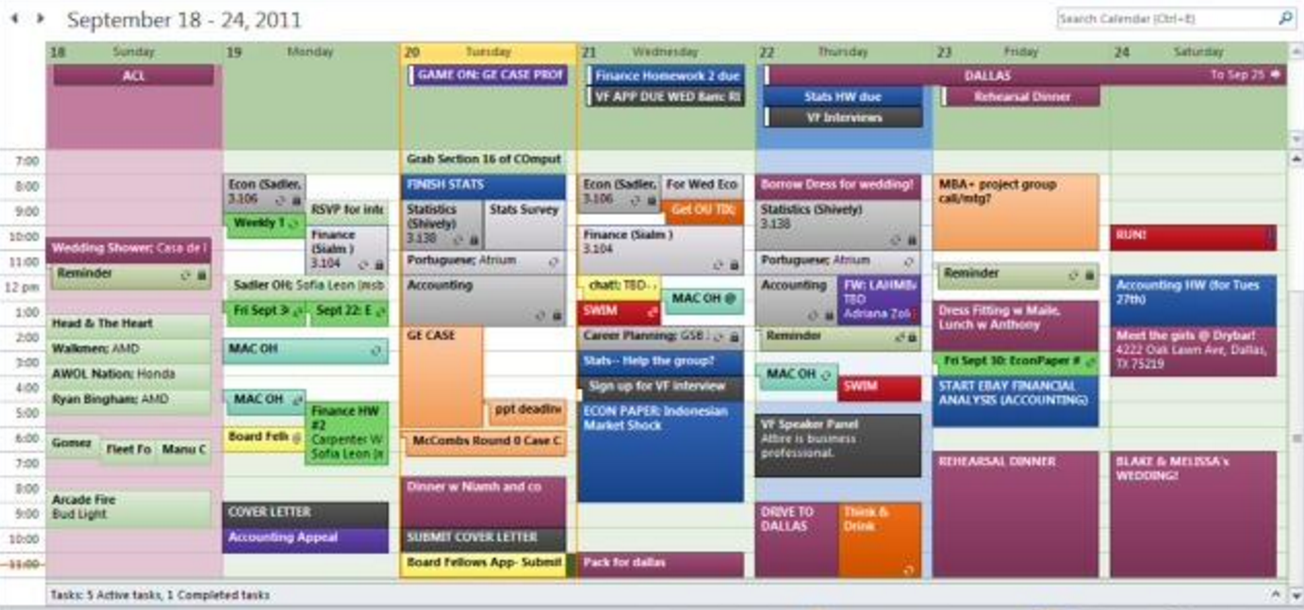
Take a look at your schedule for today. Or for tomorrow. Or for this week. Of all your meetings, appointments, work sessions and to-do tasks, how many of them are actual asks for money? It might be a personalized letter. It could be a phone call. Perhaps it’s a grant proposal. It might be a follow-up email. Or maybe it’s a face-to- face coffee.

Whatever the form of the ask, what percentage of your time today, tomorrow or this week is actually asking? And how does that compare with the amount of time you’re spending getting ready to ask? Watch your calendar over the coming days and weeks. Consider how you might increase the percentage of your time spent actually asking for money.

Let’s discus how your business or organization can spend more time asking for money.